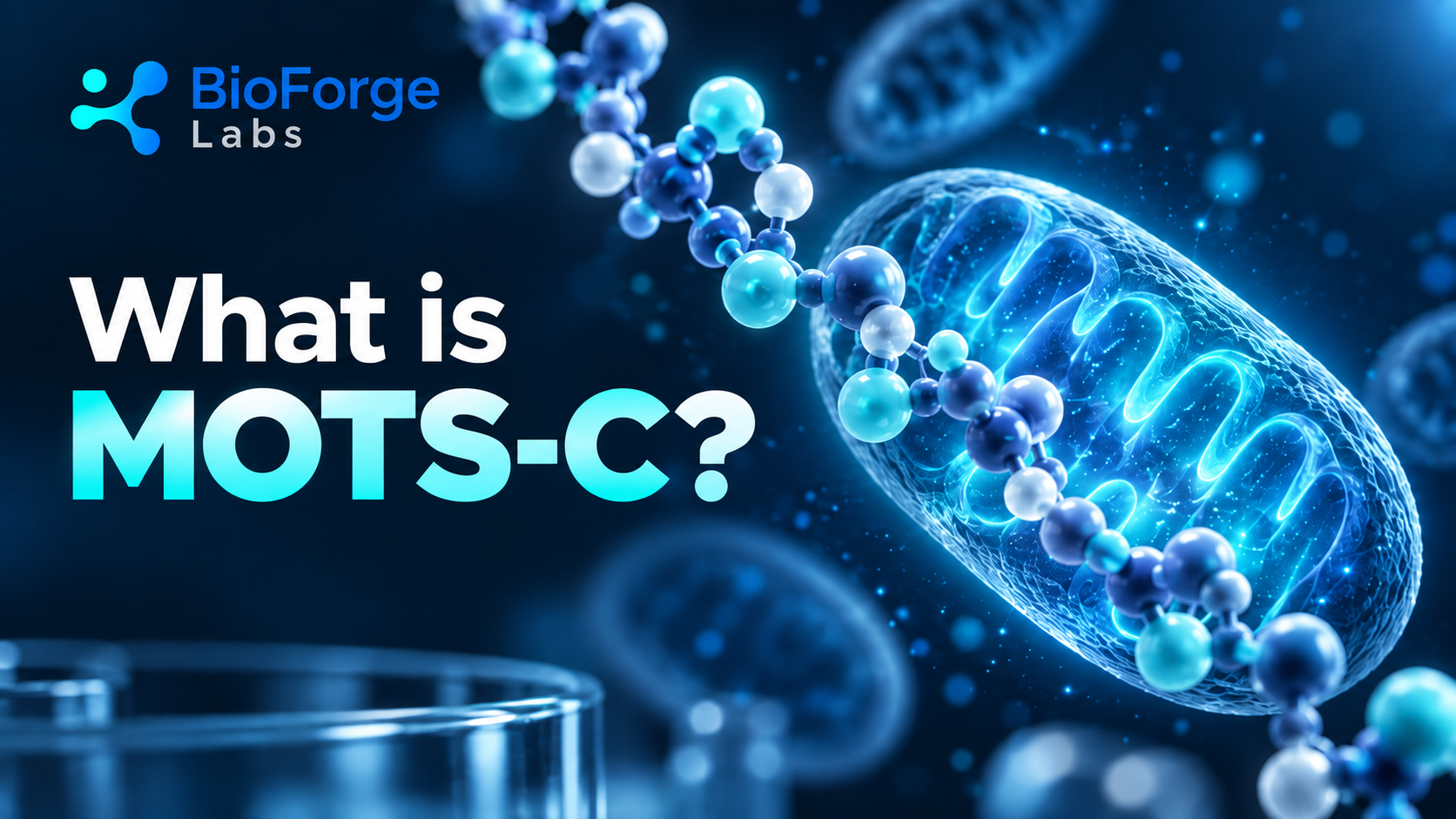
What is MOTS-C?
MOTS-C is a 16-amino acid peptide encoded by mitochondrial DNA, significant for studying mitochondrial–nuclear signaling and energy-sensing mechanisms. Identified in 2015, it impacts metabolic homeostasis and is utilized in various laboratory assays. Although it shows promise, MOTS-C remains a research reagent, not an approved therapeutic.
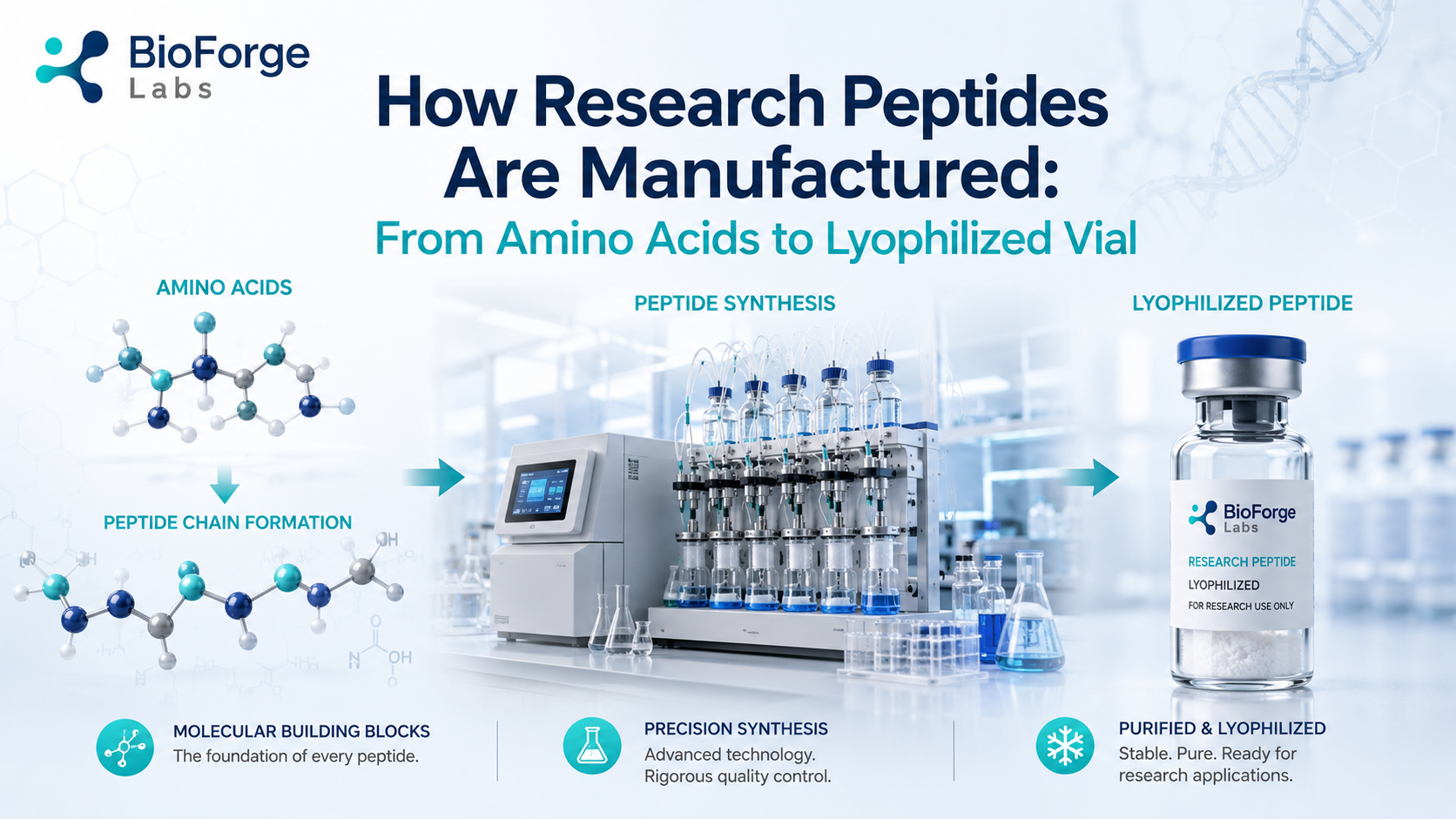
How Research Peptides Are Manufactured
This guide outlines the manufacturing process of research peptides, primarily produced through Fmoc solid-phase peptide synthesis (SPPS). Key steps include peptide assembly, purification via HPLC, and lyophilization. Quality control is crucial, as impurities can arise at each stage. Independent testing and proper handling are essential for reliable research materials in Australian laboratories.
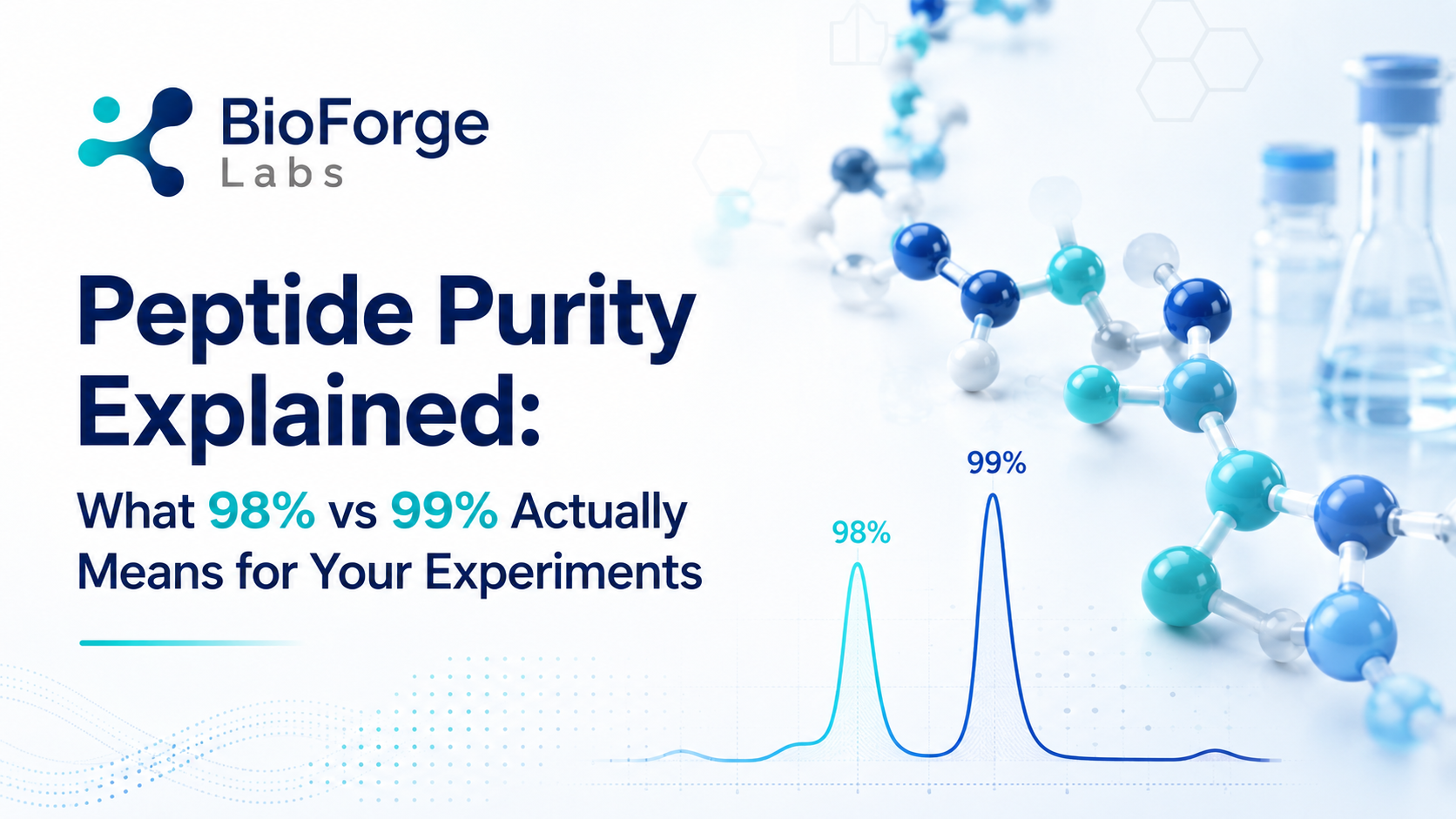
Peptide Purity Explained: What 98% vs 99% Actually Means for Your Experiments
This guide clarifies peptide purity, often reported as ≥98% or ≥99%, emphasizing its measurement via HPLC and the distinction between HPLC purity and net peptide content. It stresses the importance of independent verification, accurate interpretation of purity numbers, and proper storage for reliable laboratory results, particularly in sensitive experiments.
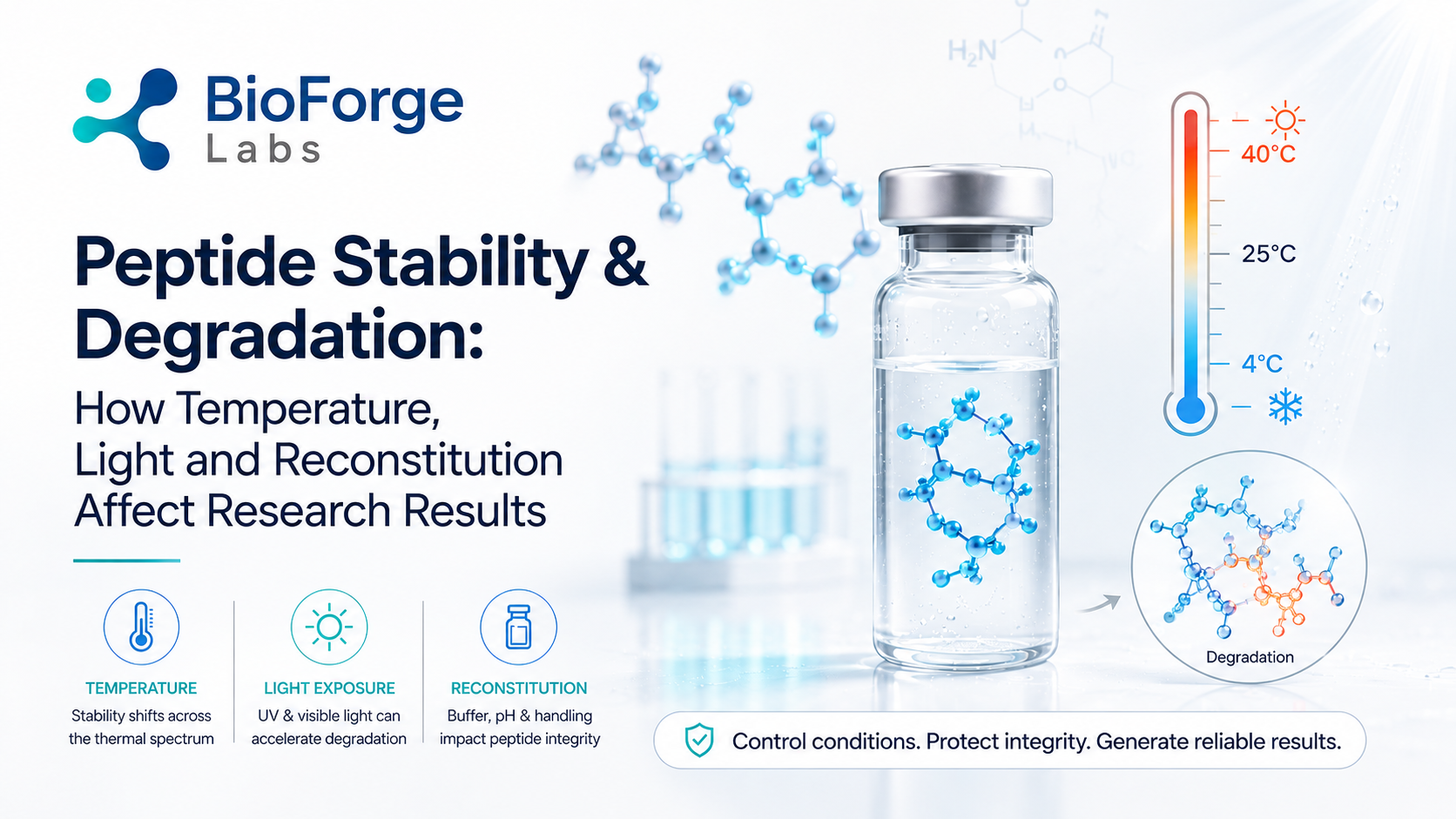
Peptide Stability & Degradation: How Temperature, Light and Reconstitution Affect Research Results
Peptide stability is crucial in research, where degradation can compromise purity and results. Factors like temperature, light, and reconstitution practices significantly influence stability. This guide details major degradation pathways, practical storage recommendations, and best practices for maintaining peptide integrity, especially for Australian laboratories, to ensure reliable experimental outcomes.
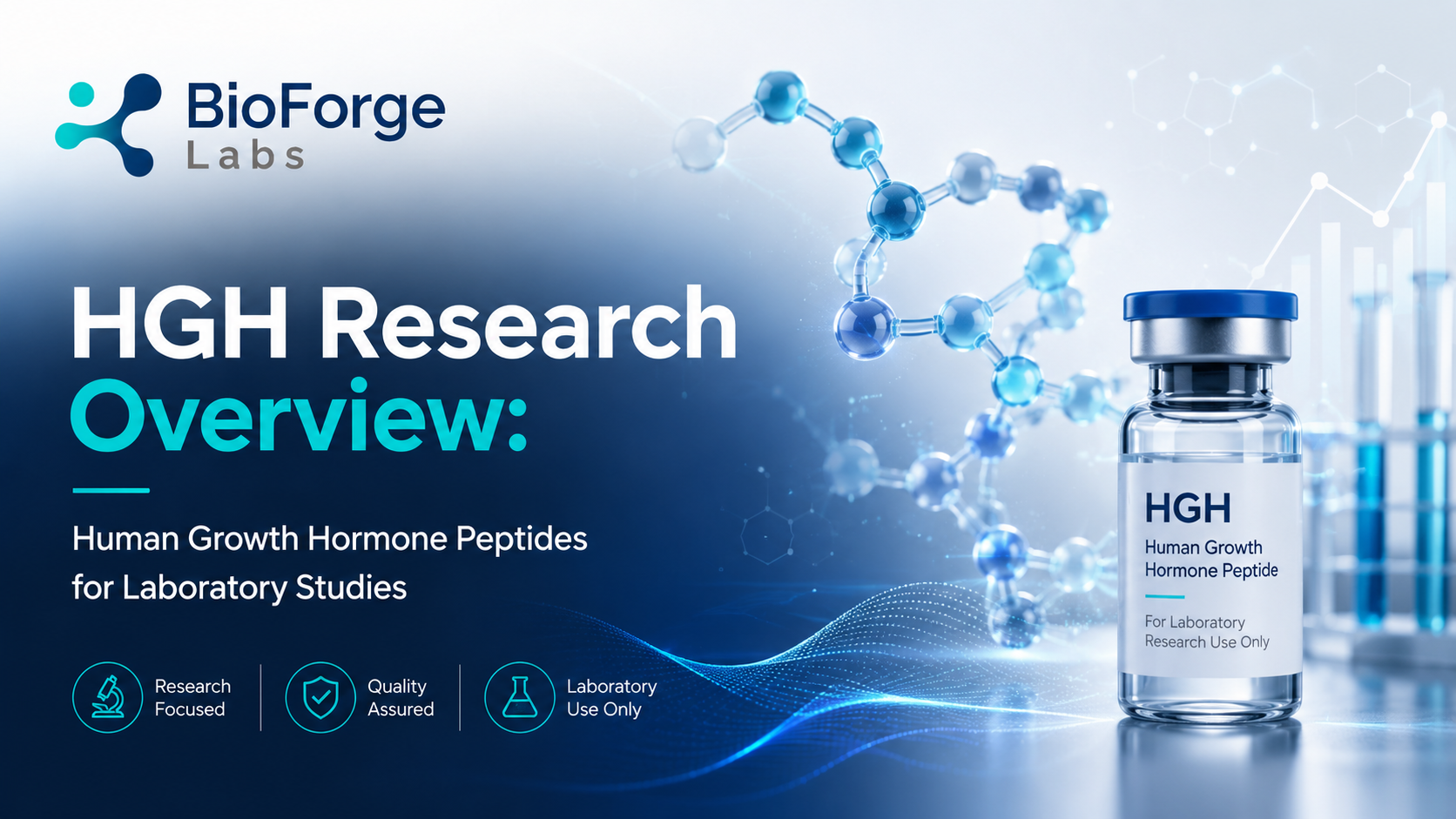
HGH Overview: Human Growth Hormone Peptides for Laboratory Studies
Human Growth Hormone (HGH) is a peptide hormone vital for endocrine and metabolic research. This overview highlights its scientific applications, structure, and laboratory considerations for Australian researchers in 2026. HGH, produced via recombinant DNA technology, is utilized for studying the GH/IGF-1 axis, metabolic pathways, and cellular proliferation, ensuring reliable results through high purity and quality standards.

AOD-9604 Research Overview: The HGH Fragment for Metabolic Studies
AOD-9604 continues to attract attention in metabolic research as a selective fragment of Human Growth Hormone (HGH). Unlike full-length growth hormone, this modified peptide is primarily investigated for its potential effects on lipid metabolism and fat regulation pathways, without the broader growth-promoting actions associated with complete HGH. This comprehensive overview examines the science behind AOD-9604,
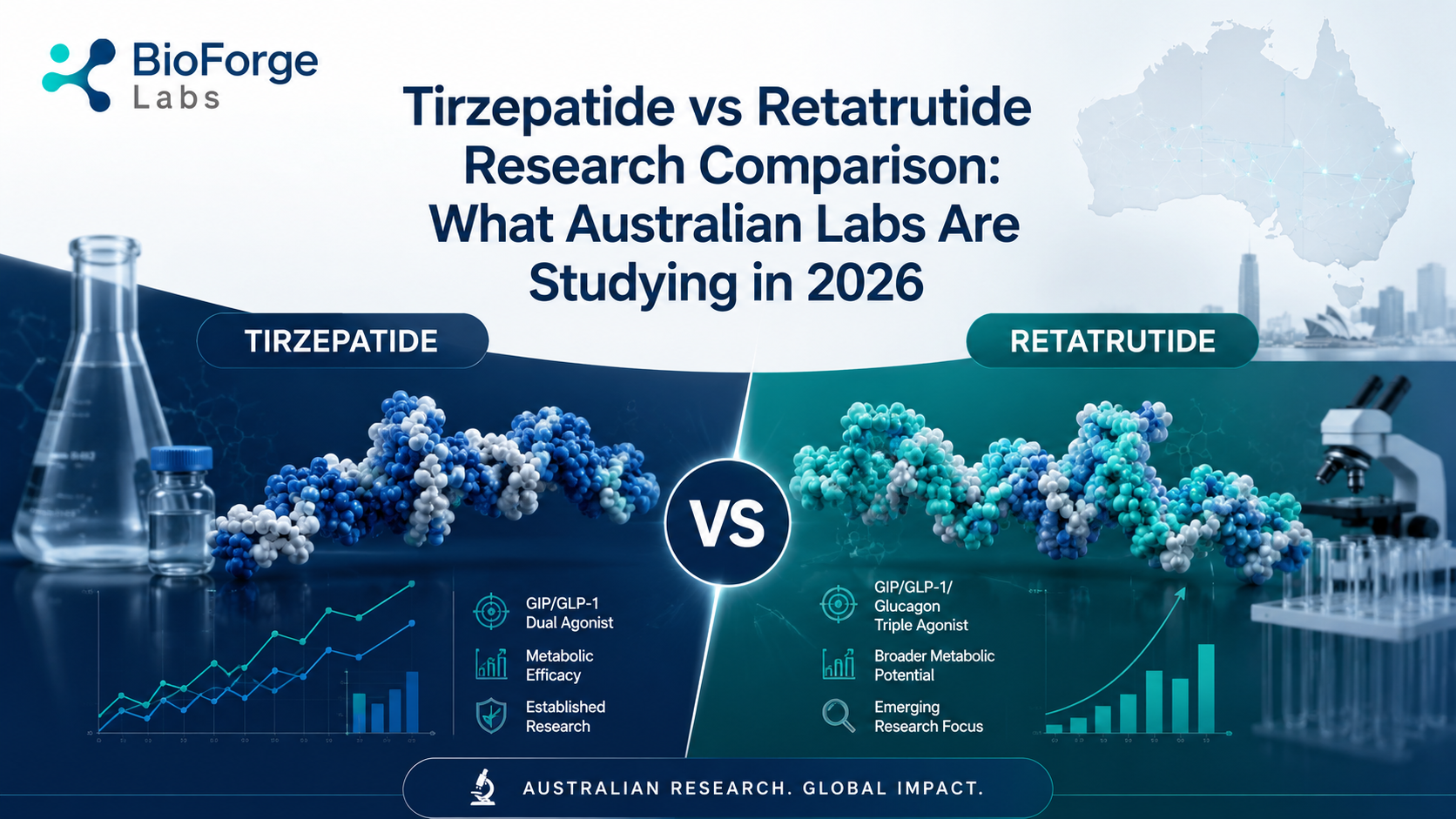
Tirzepatide vs Retatrutide Research Comparison: What Australian Labs Are Studying in 2026
Tirzepatide and Retatrutide represent two of the most significant multi-agonist peptides in current metabolic research. As Australian laboratories intensify their focus on obesity, diabetes, and metabolic disorders, understanding the differences between these compounds is essential for designing effective experiments. This comprehensive comparison examines the science, mechanisms, and research applications of Tirzepatide and Retatrutide, with insights
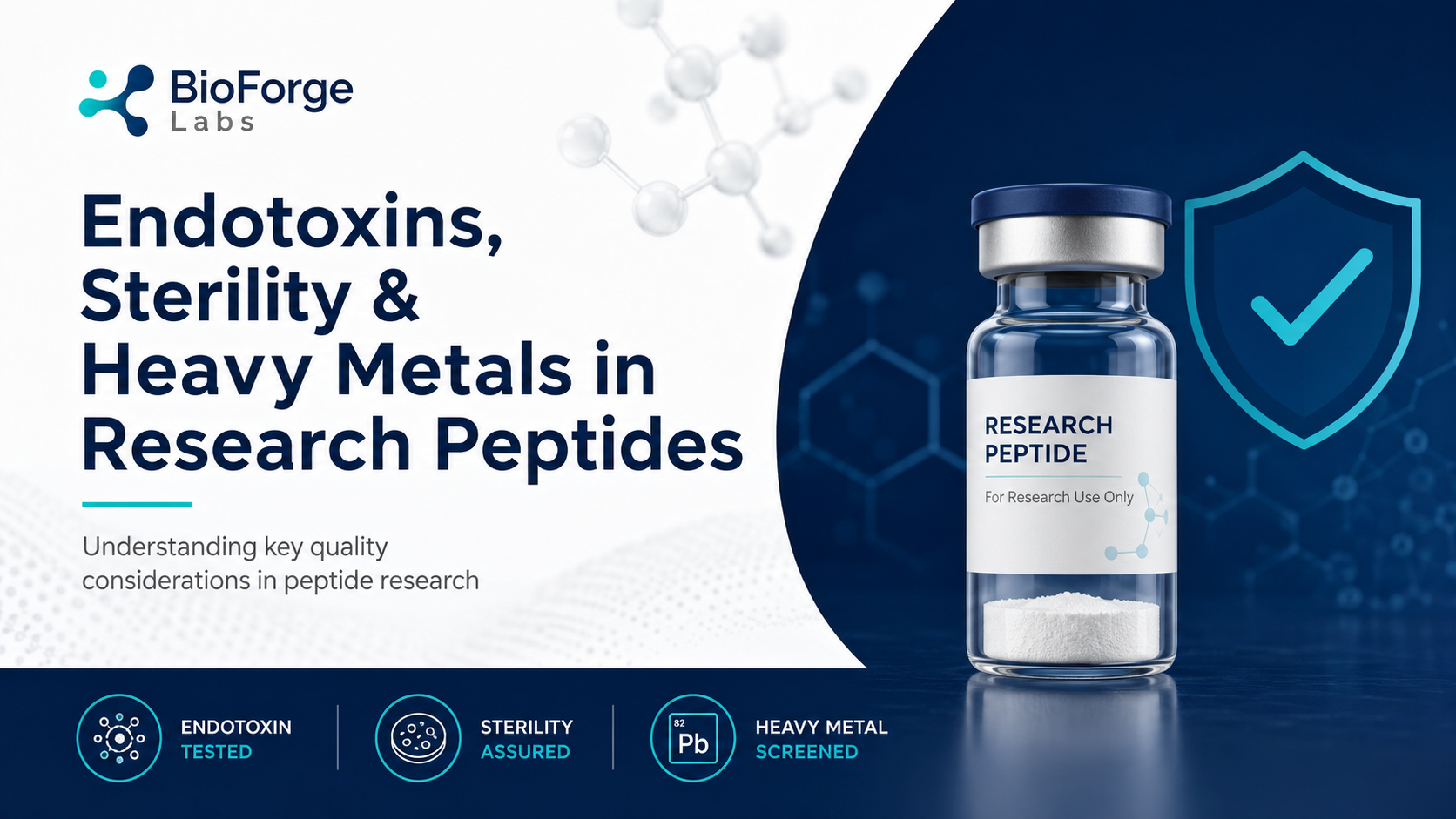
Endotoxins, Sterility & Heavy Metals in Research Peptides
When working with research peptides, quality control isn’t optional — it’s fundamental to obtaining reliable, reproducible results. Three often-underestimated contaminants — endotoxins, microbial contamination (sterility), and heavy metals — can significantly impact experimental outcomes. This guide explains what these are, why they matter for Australian researchers, and what levels are considered concerning. 1. Endotoxins: The
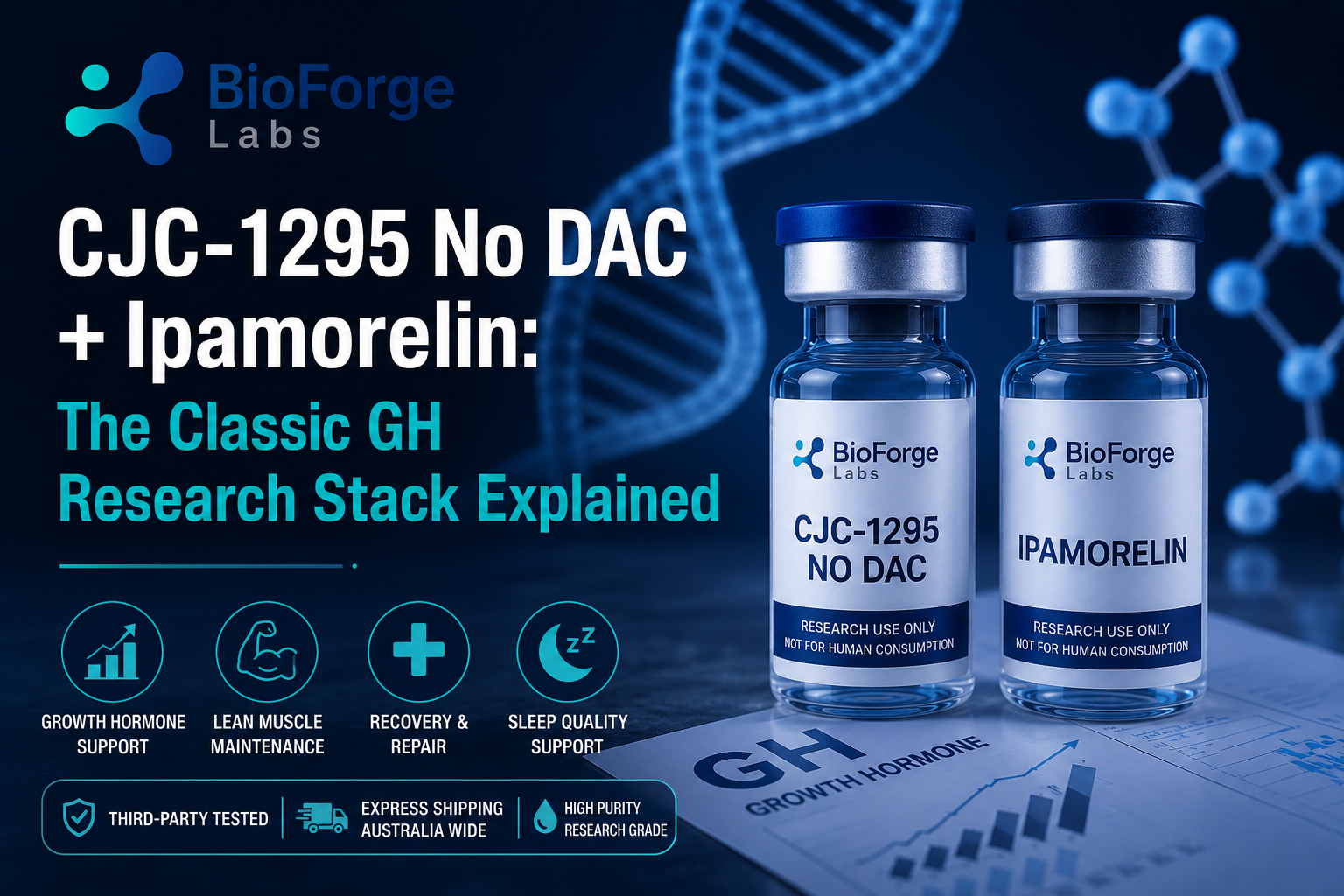
CJC-1295 No DAC + Ipamorelin: The Classic GH Research Stack
The CJC-1295 No DAC and Ipamorelin peptide stack is a prominent choice in growth hormone research, particularly in Australia. This combination supports studies on GH pulsatile release, metabolism, and tissue recovery. Researchers seek high-quality peptides, adhering to strict regulations, for reliable laboratory outcomes and effective experimental designs.
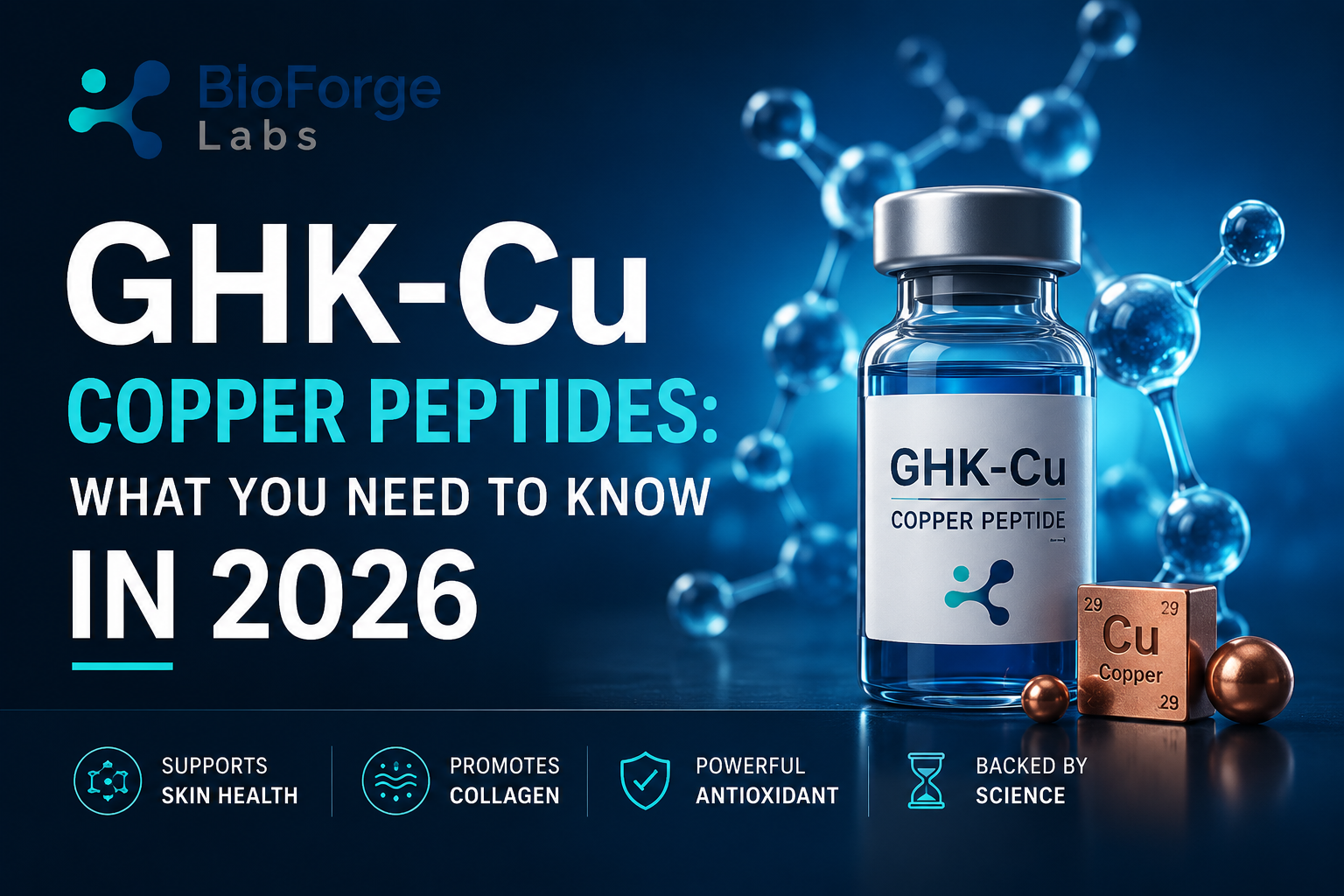
GHK-Cu Copper Peptides: What You Need to Know in 2026
GHK-Cu, a copper peptide researched extensively, plays a vital role in skin biology, wound healing, and anti-aging. This guide highlights its properties, importance in collagen production, and antioxidant effects. Australian researchers are advised to source high-purity GHK-Cu and ensure proper storage for reliable experimental results.
- 1
- 2