How to Choose High-Quality Peptides in Australia: What to Look For in 2026
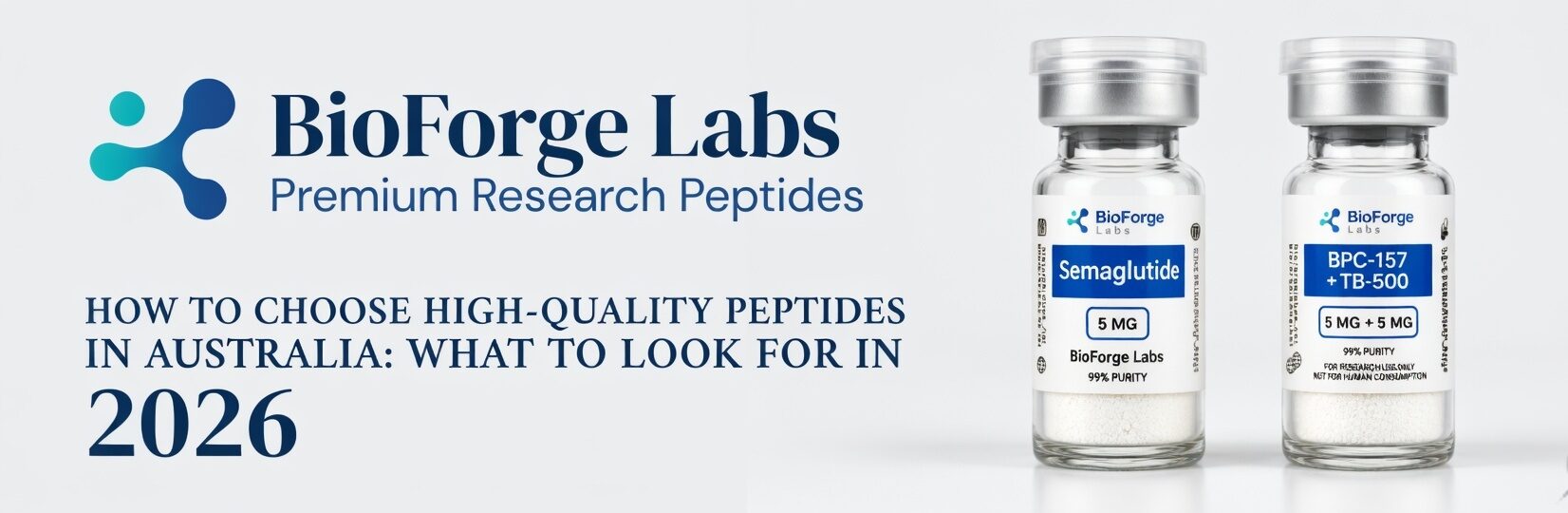
In 2026, the demand for high-quality research peptides in Australia has surged, making it crucial for researchers to identify reliable suppliers. This guide emphasizes the importance of third-party testing, proper standards, and supplier transparency. It also highlights key red flags to avoid and suggests considerations specific to the Australian market for informed sourcing.
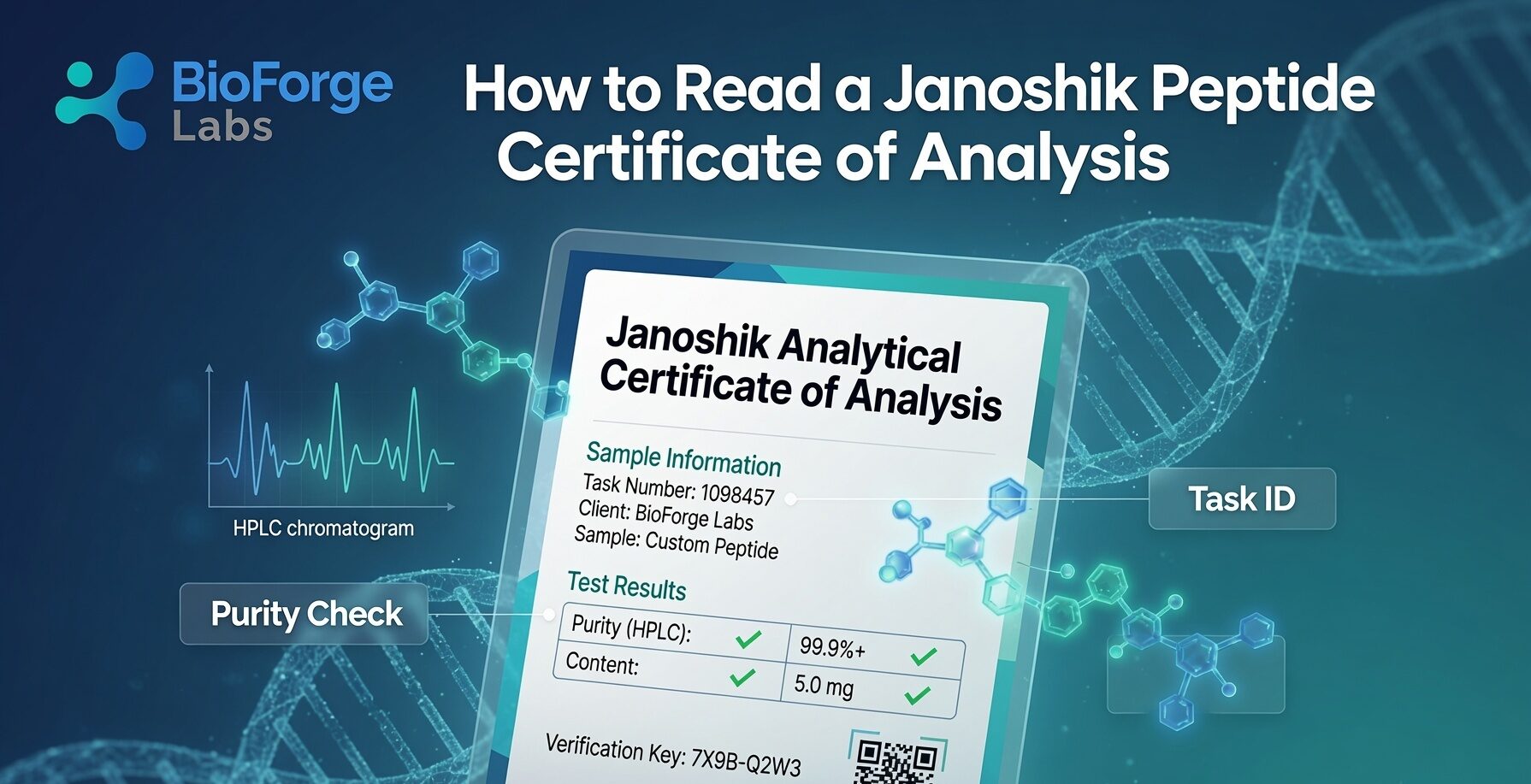
How to Read a Peptide Certificate of Analysis (CoA) | Janoshik Guide
A Certificate of Analysis (CoA) is crucial for purchasing research peptides, ensuring quality and transparency. BioForge Labs provides Janoshik CoAs, detailing identity, purity, and quantity of each batch. Key sections include sample information, weight verification, and HPLC purity testing. High-quality CoAs boost confidence in research materials and reproducibility.
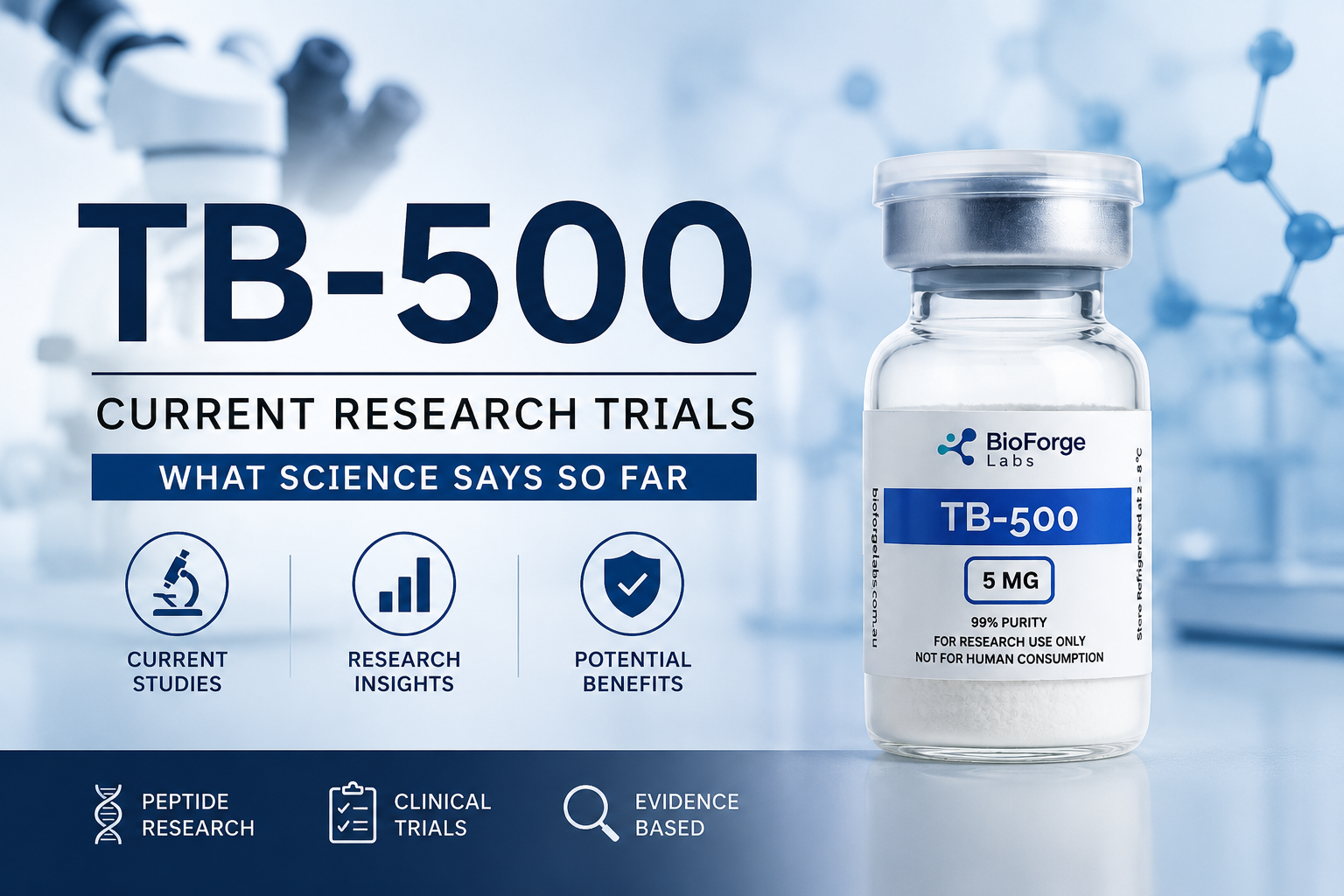
TB500 Clinical Trials and Future Opportunities
TB500, a synthetic peptide derived from Thymosin Beta-4, is studied for its potential in tissue repair and wound healing. Promising preclinical evidence highlights its role in enhancing cell migration and reducing inflammation. Human studies are limited but show positive signs in certain conditions. Future research may target larger trials and safety assessments.
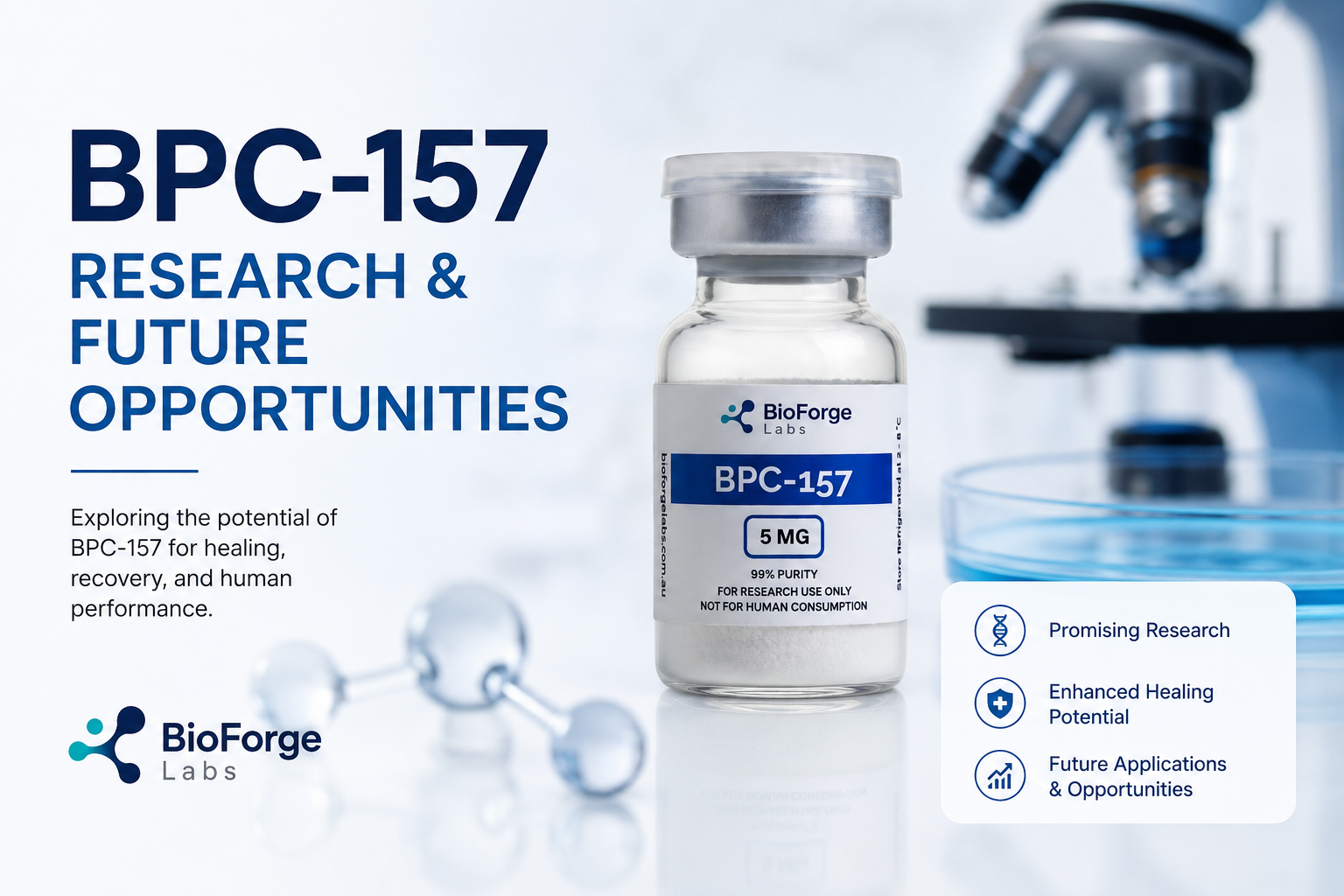
BPC157 Research and Future Opportunities 2026
BPC157, a synthetic peptide known for its regenerative properties, is gaining attention in Australia and globally for its potential healing effects. Despite strong preclinical studies, human clinical data remains limited and low-quality. Ongoing trials could pave the way for future research, emphasizing the need for rigorous studies on its efficacy and safety.
- 1
- 2